Property Maintenance Hull Tips to Protect Your Investment Year-Round
Owning property in Hull can be rewarding, but it rarely feels passive. The city’s mix of coastal weather, older housing stock, driving rain, wind exposure, and fluctuating temperatures creates a maintenance pattern that catches out owners who only react when something breaks. By the time a stain appears on a ceiling or a tenant mentions a draught, the underlying issue has often been at work for months.
That is why good maintenance is less about firefighting and more about rhythm. Properties that stay dry, ventilated, secure, and structurally sound tend to cost less over General Contractor Hull time, even if the owner spends more consistently in small amounts. In practice, the most expensive jobs usually begin as cheap ones. A slipped tile becomes rotten battens. Failed mastic around a bath becomes damaged plaster to the room below. A blocked gutter quietly saturates masonry, then winter frost does the rest.
In Hull, that pattern is especially familiar. Terraced homes, post-war semis, buy-to-let flats, and mixed-use buildings all have their own weak points, but they share one truth: annual neglect is always visible eventually. If you are serious about protecting value, tenant satisfaction, and resale appeal, year-round property maintenance has to be approached like an asset strategy, not a chore.
Why Hull properties need a different level of attention
Hull’s climate places unusual stress on buildings. Moisture is the obvious issue, but it is not the only one. Wind drives rain into small defects that might not matter as much in drier inland areas. Salt in the air can shorten the life of certain external finishes and metal components. Freeze-thaw cycles exploit tiny cracks in render, pointing, and paving. Add in the age of much of Hull’s housing stock, and you have a setting where maintenance discipline matters.
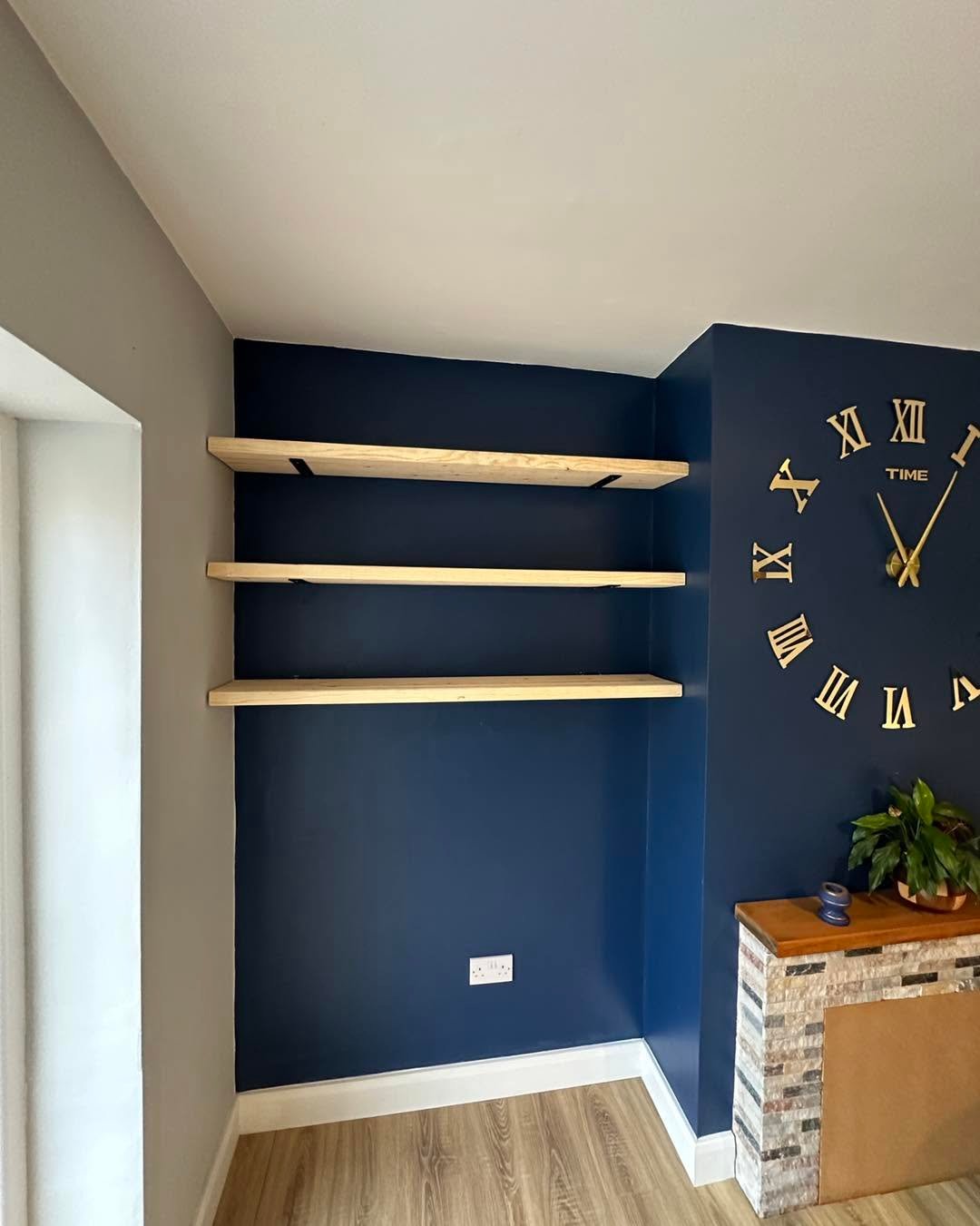
A lot of owners underestimate how much older homes move and breathe. Solid wall construction behaves differently from newer cavity wall properties. Traditional materials need appropriate repairs. If you trap moisture in the wrong place with modern coatings or poor patchwork, you can create a bigger problem than the one you started with. I have seen walls that looked freshly improved from the pavement but were holding damp internally because the chosen finish was wrong for the substrate. The job looked tidy for six months, then the paint bubbled, plaster salts appeared, and the owner paid twice.
That is one reason Property Maintenance Hull services should never be treated as a box-ticking exercise. The best results come from people who understand not just how to repair something, but how the building works as a whole.
The roof, gutters, and drainage come first
If there is one area that deserves relentless attention, it is the roofline. Most serious internal damage begins outside. Water always finds a route, and roofs do not need dramatic failure to cause expensive consequences. A cracked tile, lifted flashing, clogged valley, or overflowing gutter can be enough.
Twice-yearly inspections are sensible for most properties, usually after autumn leaf fall and again after the worst of winter weather. If the building is exposed, surrounded by trees, or has a history of roof issues, more frequent checks are often justified. The inspection does not need to be theatrical. You are looking for simple truths: are gutters flowing properly, are downpipes discharging where they should, are joints leaking, are there signs of moss build-up, and is water staining the masonry below the eaves.
Blocked rainwater goods cause a remarkable amount of avoidable decay. Water cascades over the gutter edge, repeatedly soaks brickwork, and saturates wall heads. On occupied properties, tenants often report this too late because it looks minor from ground level. The owner then discovers damp patches, peeling paper, or discoloured plaster internally. Clearing a gutter is inexpensive. Replastering, redecorating, and investigating hidden timber decay is not.
Ground drainage matters just as much. In some Hull streets, poor falls, settled paving, or silted gullies can send water toward the building instead of away from it. That tends to show up around rear extensions, kitchen doors, and older yards where levels have been altered over the years. If surface water lingers after heavy rain, do not ignore it. Standing water near walls shortens the life of brickwork, timber thresholds, and external finishes.
Damp is rarely just “damp”
Owners often talk about damp as if it were a single defect. In reality, it is a symptom category. The source may be penetrating rain, condensation, leaks, bridging, poor ventilation, failed pointing, or plumbing faults. Treating every stain with the same product or assumption is how money gets wasted.
Condensation is common in well-used homes where extraction is weak and background heating is inconsistent. Bathrooms without effective fans, kitchens with recirculating extractors rather than external venting, and bedrooms with little airflow tend to show mould first. Tenants may wipe down windows and repaint black spots without fixing the moisture cycle underneath. If the property feels clammy, windows stream in winter, and mould clusters in cold corners, ventilation and insulation strategy deserve attention before cosmetic work.
Penetrating damp behaves differently. It follows building defects. You may see localised staining after heavy wind-driven rain, often on chimney breasts, around window reveals, or beneath roof edges. That points you toward external fabric, not a dehumidifier.
Rising damp is frequently overdiagnosed in older homes. Sometimes it is real. Sometimes the issue is high external ground levels, blocked sub-floor vents, cement render trapping moisture, or internal plaster contaminated by salts from a historic problem. Judgment matters here. A careful survey by someone experienced with older property is worth more than a fast sales pitch for a chemical remedy.
Brickwork, pointing, and render deserve patient inspection
Hull has plenty of properties where the wall finish tells a story, if you take time to read it. Repointing that is too hard for the brick, patches of render repaired with mismatched materials, and sealed-up vents are all familiar signs of good intentions carried out with poor compatibility.
Mortar should usually be sacrificial. In simple terms, it should weather before the bricks do. When cement-rich repointing is applied to older, softer bricks, moisture can struggle to escape through the joints. Over time, the brick face takes the punishment. Spalling follows, especially after repeated frosts. The wall then needs more than repointing. It needs brick repairs or replacements too.
Render cracks also need context. A hairline shrinkage crack is not the same as movement around openings or recurring stepped cracking. The first might be decorative and manageable. The second can indicate structural movement, failed lintels, or water ingress behind the finish. Quick patching may disguise the issue briefly, but it rarely solves it if the cause remains active.
This is where a practical General Contractor can be extremely useful. Good contractors do not just price the visible patch. They ask why it failed, what sits behind it, and whether related trades need to be involved. That joined-up thinking prevents the common mistake of decorating over unresolved building defects.
Windows, doors, and joinery quietly affect energy bills
A property does not need full replacement windows to perform better. Sometimes maintenance delivers most of the gain. Failed sealant, perished gaskets, loose ironmongery, rotten cills, and distorted frames often account for draughts and water ingress that owners assume are unavoidable in older homes.
Timber joinery repays attention. If paint systems fail, moisture gets into end grain and horizontal surfaces first. Repairing local rot early can preserve original windows at a fraction of replacement cost. Leave it too long, and the repair becomes a rebuild. I have seen sash windows that needed a few hundred pounds of careful timber work one year, then complete replacement two winters later because decay spread into meeting rails and boxes.
Doors deserve the same scrutiny. A poorly sealing rear door can make a kitchen or utility feel permanently cold. That affects comfort, condensation risk, and heating demand. Adjustments, seals, threshold repairs, or better weatherproofing often solve the issue more efficiently than owners expect.
Heating, plumbing, and ventilation need proactive care
Internal systems are easy to ignore because they stay out of sight until they fail badly. Yet preventative servicing on boilers, radiators, pipework, extract fans, and hot water systems is one of the simplest ways to reduce emergency costs.
A small leak under a bath trap can go unnoticed long enough to damage floors, ceilings, and joists. A slow weep at a radiator valve may stain the carpet for months before anyone checks pressure loss properly. An extractor fan that runs noisily but barely moves air contributes to mould, even though it technically still works. In rented property, these are common examples of faults that occupants adapt to rather than report urgently.
Annual boiler servicing is the minimum standard for reliability and safety. Beyond that, it is wise to pay attention to system balance, cold spots on radiators, sludge build-up, and control settings. Plenty of homes heat unevenly not because the boiler is too old, but because the system has not been tuned or maintained well. A more efficient heating pattern means lower bills and better moisture control.
Ventilation is often the missing piece. After insulation upgrades or new windows, some properties become more airtight without any improvement in extract provision. The result is not necessarily warmth. It can be stale air, trapped humidity, and mould growth. Better maintenance sometimes means adding or upgrading extraction rather than simply replacing finishes.
A seasonal maintenance rhythm works better than occasional panic
Owners who manage properties well usually work to a calendar, even if it is informal. They know what to look at after storms, what to service before winter, and which jobs suit drier months. That rhythm spreads cost and avoids the familiar rush of crisis repairs during cold weather.
A useful year-round focus looks like this:
- Spring is the time to check winter damage, clear gutters, inspect roof coverings, test external taps and drains, and review any cracking or staining that appeared during the colder months.
- Summer suits external painting, masonry repairs, pointing, render work, window refurbishment, and larger Property Renovation Hull projects that benefit from drier conditions.
- Autumn should be about preparing for wet and cold weather, including gutter clearance, boiler servicing, checking seals around doors and windows, and making sure roof defects are addressed before storms arrive.
- Winter is for monitoring performance under stress, watching for condensation, draughts, leaks, frozen pipe risks, and any signs that previous repairs are not holding.
That cycle sounds straightforward because it is. The discipline lies in repeating it every year, not only when a property changes tenant or goes up for sale.
Empty periods are a maintenance opportunity, not just lost rent
Void periods are often treated as a financial annoyance to be minimised at all costs. Fair enough, but they are also your best chance to inspect and correct issues properly. Occupied homes limit access, restrict drying time, and make noisy or dusty works harder to schedule. When a property is empty, use the window intelligently.
This is the Fence Contractor time to look beyond cosmetics. Lift corners of flooring if there is reason to. Check behind appliances. Review extractor performance. Inspect loft insulation depth and condition. Test windows, locks, doors, and smoke alarms. Look at sealant lines around sanitaryware. Flush infrequently used wastes. Walk the exterior slowly rather than driving past and calling it a check.
Where owners often go wrong is spending the entire void budget on paint and flooring while overlooking the causes of wear. Fresh magnolia over unresolved moisture is not preparation. It is delay.
Knowing when maintenance becomes renovation
There is a point where repeating small repairs becomes poor value. If one bathroom leak follows another because the room was fitted badly, a proper refit may be more economical than constant callouts. If a tired kitchen no longer attracts reliable tenants, patching cupboard doors and replacing one appliance at a time may not protect income. If thermal performance is weak throughout the building, targeted upgrades can produce better returns than annual reactive decorating.
That is where Property Renovation Hull work fits into a maintenance strategy. Renovation is not separate from maintenance. Done well, it is often maintenance at a more intelligent scale. Replacing failed finishes with suitable modern alternatives, improving insulation while walls are open, upgrading extraction during a bathroom refit, or renewing defective electrics during a broader programme can reduce future defects significantly.
The judgment call usually comes down to frequency, disruption, and lifecycle cost. If you have repaired the same category of problem more than once in a short period, step back and ask whether the assembly itself is at end of life. Experienced owners save money because they know when to stop patching.
The value of a reliable contractor team
Many expensive outcomes begin with fragmented responsibility. One person clears mould, another paints, a third seals a crack, and nobody addresses the source. Good maintenance depends on continuity. You need tradespeople who notice linked issues and communicate clearly.
When choosing a General Contractor or specialist team, focus less on headline price and more on diagnostic ability, scheduling reliability, and the quality of previous repair work after a year or two, not just on completion day. The best contractors are rarely the ones promising the fastest universal fix. They ask awkward but useful questions. They explain options. They distinguish urgent work from work that can wait.
It also helps when one contractor can coordinate multiple trades sensibly. Roofers, plumbers, plasterers, decorators, and joiners often affect each other’s outcomes. If the order is wrong, costs rise and finishes suffer. A leak repaired after decorating is the obvious example, but there are subtler ones, such as plastering before an external damp source is addressed, or fitting a new kitchen before floor moisture is understood.
If you are vetting help for ongoing maintenance, ask these questions:
- What do you think is causing the issue, not just what needs replacing?
- Are there any related defects nearby that should be checked at the same time?
- Is this a repair, a temporary measure, or something close to end-of-life replacement?
- What would you do differently if this were your own property for the next five years?
- What follow-up, if any, should be scheduled after the work is done?
Those answers tell you more than a polished quote ever will.
Budgeting for maintenance without overreacting
A sensible maintenance budget depends on property type, age, condition, and occupancy pattern, so there is no honest universal number. Older homes and coastal exposure generally push the requirement upward. A newly refurbished flat may need relatively little in the short term. A Victorian terrace with patchy previous repairs can absorb money quickly if problems have been deferred.
What matters more than a fixed annual figure is the split between routine care, planned replacements, and contingency. Routine care covers servicing, clearing, testing, minor repairs, and regular redecoration where needed. Planned replacements cover things you know will age out, such as boilers, roof coverings, kitchens, bathrooms, or windows. Contingency is for the unpredictable but inevitable event, the storm damage, hidden leak, failed shower tray, or cracked drain that nobody could sensibly schedule.
Owners often underfund the middle category. They allow for emergency repairs but not for known ageing components. Then they are surprised when a sequence of medium-sized jobs arrives in the same two-year span. Good records help here. If you know the approximate age of key components and keep notes on recurring faults, budgeting becomes less guesswork and more management.
Small details that protect long-term value
Some of the best maintenance habits are almost unglamorous. Keep vegetation off walls and away from gutters. Make sure air bricks are not buried by raised paths, decking, or soil. Renew sealant before it fully fails, not after. Repaint external timber on a cycle that suits exposure. Check lofts after heavy rain. Test stop taps before you need them in a hurry. Make sure overflow pipes are understood, not just noticed when dripping.
Documentation matters too. Photos from annual inspections can reveal slow change better than memory can. The hairline crack that Kitchen Remodeler did not widen is less worrying when you have evidence. The gutter joint that stains the wall every winter becomes easier to prioritise when the pattern is visible. A maintenance log also helps when selling, refinancing, or managing contractors, because you are not relying on vague recollection.
There is a commercial dimension as well. Well-maintained properties let more easily, attract better applicants, and reduce avoidable complaints. Buyers notice the feel of a cared-for building even if they cannot immediately explain it. Doors close properly. Walls smell dry. Windows operate smoothly. External lines look crisp rather than tired. Those signals influence confidence.
Protecting the investment means acting before the building asks loudly
Most serious property problems announce themselves quietly first. A faint stain, a cold corner, a stiff window, a hairline crack, a damp smell after rain. Ignore enough of those, and the building eventually raises its voice through cost, disruption, or lost value.
Year-round care in Hull is not about chasing perfection. It is about paying attention to the building’s weak signals and understanding what local conditions do to materials over time. Owners who take that approach generally spend with more control, preserve value more effectively, and avoid the cycle of emergency repair followed by hurried cosmetic cover-up.
If you think of maintenance as part of ownership rather than a drain on it, decisions become clearer. You stop asking, “Can this wait?” and start asking, “What happens if it does?” That single shift in mindset protects chmyorkshireltd.co.uk Property Maintenance Hull more property investments than any miracle product or quick fix ever will.
CHM Yorkshire Ltd
Hull
HU9 5BU
Tel: 01482 455159
Website: https://www.chmyorkshireltd.co.uk